
Navigate With Accuracy and Confidence
Marine navigation system installation for vessels throughout Boston.
Your chartplotter takes too long to acquire GPS position, the radar overlay does not align with your charts, or your sonar shows inconsistent depth readings while cruising through Boston Harbor. Navigation system failures make it difficult to avoid hazards, track your course, or find fish in unfamiliar waters. M.P. Marine Electrical and Electronics installs GPS units, radar systems, multifunction displays, and sonar transducers that work together to give you accurate, real-time information while underway.
A navigation system installation involves more than mounting a new display at the helm. The system requires proper antenna placement, NMEA network configuration, and calibration specific to your vessel and cruising area. In Boston, where harbor traffic, shallow areas, and changing weather are common, reliable navigation equipment helps you stay on course and avoid conflicts with commercial vessels and fixed hazards. M.P. Marine Electrical and Electronics evaluates your helm layout, plans wire routing, and integrates new equipment with your existing communication and power systems.
M.P. Marine Electrical and Electronics provides on-site installation for boats located throughout Boston.
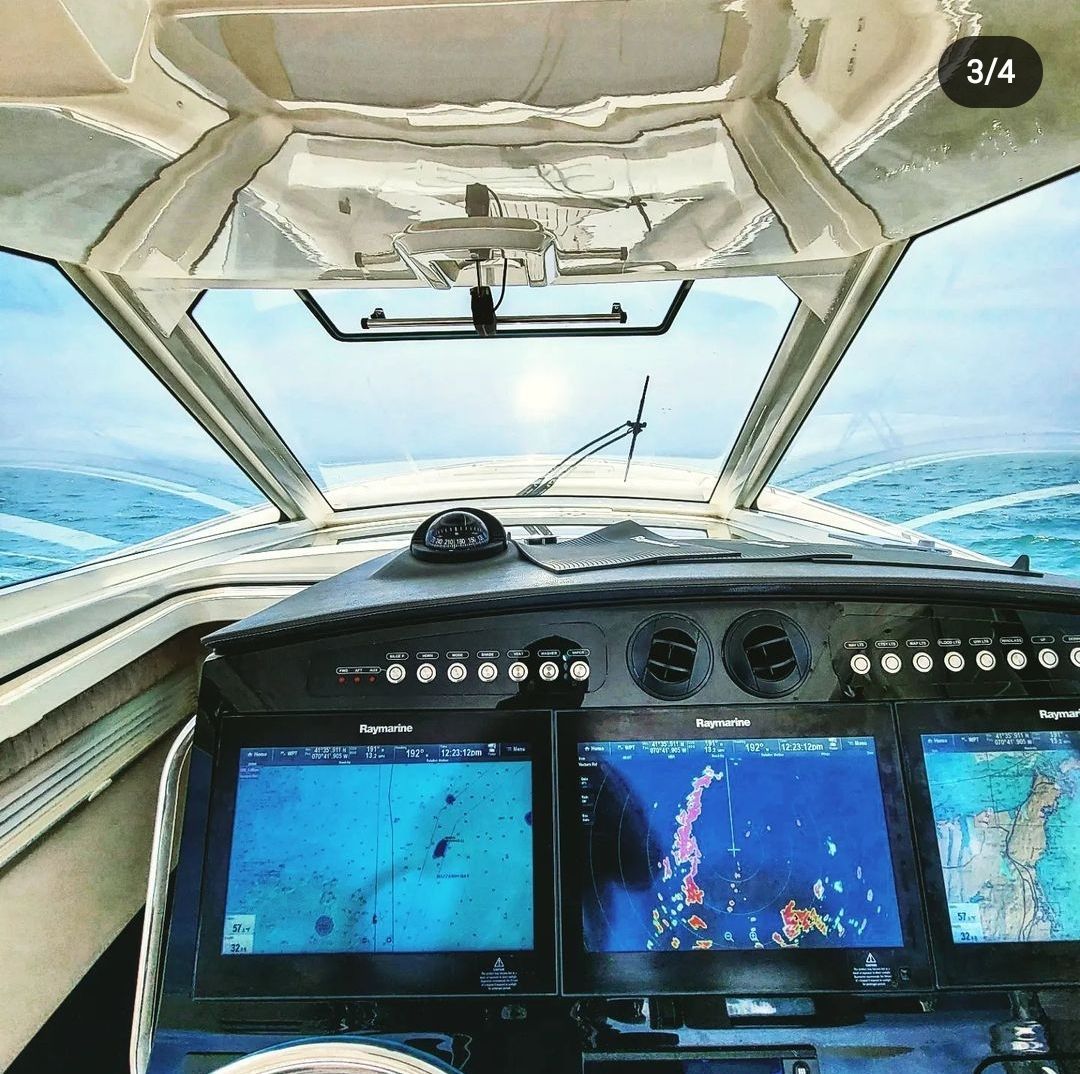
How Navigation Systems Are Installed and Configured
The installation begins with selecting mounting locations for your multifunction display, radar dome or open array, and GPS antenna. M.P. Marine Electrical and Electronics ensures the radar has a clear view with minimal obstruction from masts or hardtops, and the GPS antenna is positioned away from sources of electrical interference. In Boston, proper placement accounts for typical cruising conditions and seasonal storage requirements.
After installation, you will see your current position update smoothly on the chartplotter without lag or jumping, radar overlays will align precisely with charted features, and your sonar will display accurate depth and fish targets at speed. The system connects to your NMEA network so that data from your GPS, AIS, and autopilot can be shared across all displays without duplicating sensors. You will also notice improved route planning, waypoint marking, and track logging, which makes it easier to return to productive fishing spots or navigate back to the dock after dark.
System calibration includes setting magnetic variation, adjusting radar gain and sea clutter filters, and configuring sonar transducer angles for accurate readings. M.P. Marine Electrical and Electronics tests the system underway if possible, making adjustments based on actual performance rather than just static settings. This ensures your navigation equipment works correctly in the conditions you encounter around Boston and surrounding waters.
What You Should Know Before Upgrading Navigation Gear
Boat owners in Boston often ask about radar range, chartplotter updates, and how older systems can be integrated with new multifunction displays before committing to an upgrade.
What determines the effective range of my radar system?
Radar range depends on antenna height, power output, and target size. A dome radar mounted on a hardtop can typically detect large vessels and landmasses up to twenty-four miles, while smaller targets like buoys may only appear within two to four miles.
How often do chartplotter maps need to be updated?
Charts should be updated at least once per year to reflect changes in buoy locations, depth contours, and navigational hazards. M.P. Marine Electrical and Electronics can load the latest charts during installation or set up automatic updates if your display supports them.
Why does my sonar show inconsistent depth readings at speed?
Inconsistent readings often result from air bubbles passing under the transducer, incorrect transducer angle, or interference from the boat's hull design. M.P. Marine Electrical and Electronics adjusts transducer placement and angle to minimize these issues.
What is the benefit of connecting my autopilot to my chartplotter?
When connected through the NMEA network, your autopilot can follow routes and waypoints programmed into the chartplotter, automatically adjusting course without manual input. This allows you to focus on lookout duties while the system steers the boat along your planned track.
How long does a full navigation system installation take?
Most simple installations take six to ten hours depending on the number of devices, complexity of the NMEA network, and whether radar or sonar is included. M.P. Marine Electrical and Electronics completes the work dockside in Boston so your boat does not need to leave the slip. Larger systems can take longer.
M.P. Marine Electrical and Electronics installs navigation systems for vessels throughout Boston, including GPS, radar, multifunction displays, and sonar. If your current equipment is outdated or unreliable, contact us to schedule an evaluation and installation.