Connect Every System on Your Vessel
Smart boat networking and NMEA integration services in Boston
When your navigation, engine monitoring, and communication systems operate independently, you lose the ability to view critical data on a single display or share information between devices. Vessels operating in Boston often carry multiple electronics brands, and without a properly designed network backbone, those systems cannot communicate, leading to duplicate wiring, conflicting data, and limited functionality at the helm.
M.P. Marine Electrical and Electronics designs and installs full NMEA networks that allow your chartplotter, autopilot, radar, AIS, and engine displays to share data seamlessly across a single organized backbone. The installation includes routing shielded cables, installing drop cables at each device location, and configuring network settings so every component recognizes and responds to the others without interference.
If your boat has outdated wiring or you're adding new electronics that need integration, contact M.P. Marine Electrical and Electronics for network installation in Boston.
How We Build and Organize Your Network
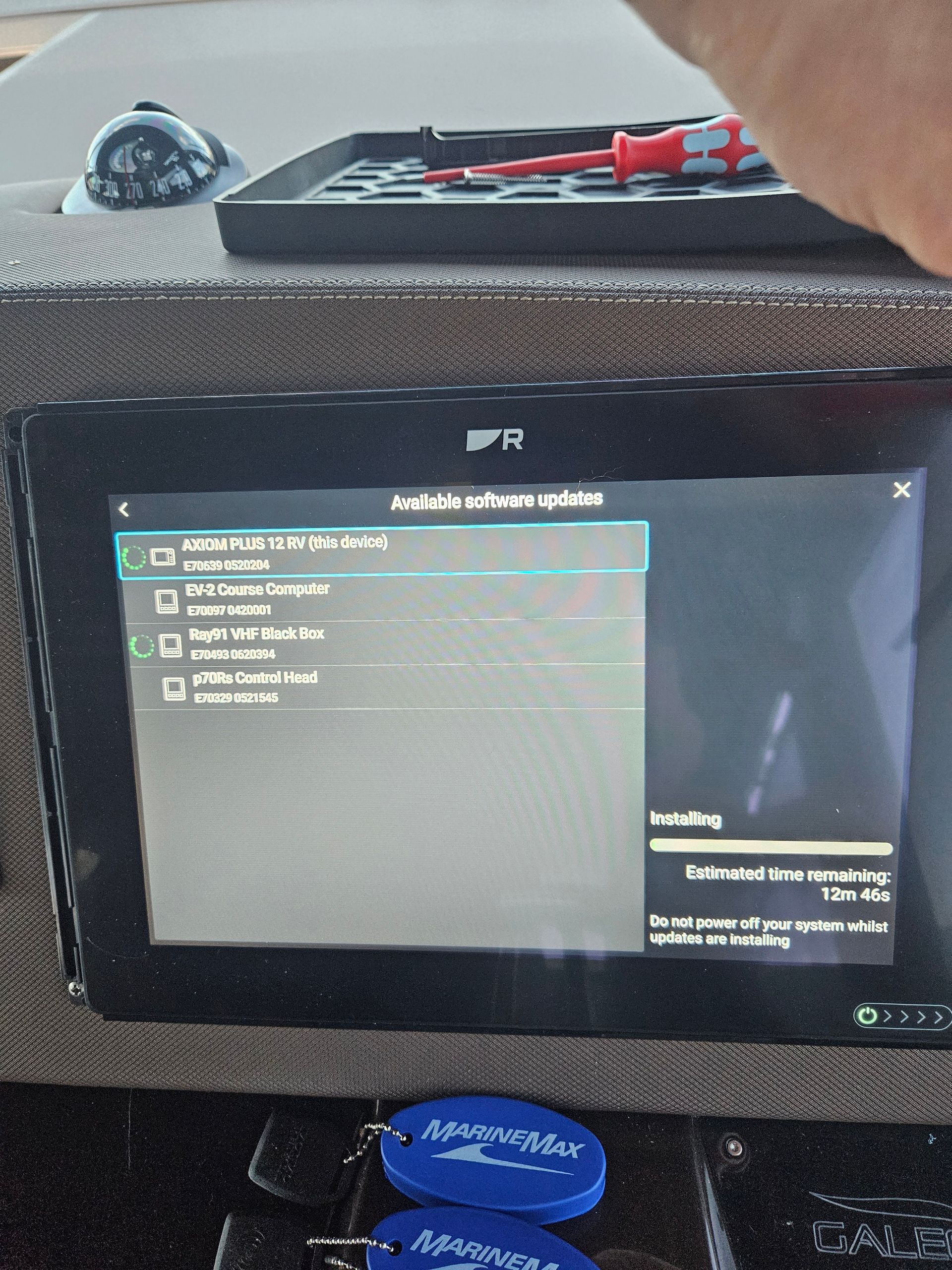
We begin by mapping out every device on your boat that needs to send or receive data, then design a backbone layout that minimizes cable runs and reduces the chance of signal interference. In Boston, where older vessels often have electronics added piecemeal over many years, we consolidate wiring into a clean, labeled network that follows NMEA standards for voltage and termination.
After installation, your autopilot can receive GPS data from your chartplotter, your engine display can send fuel flow to your navigation screen, and your AIS can overlay vessel traffic directly onto your radar. Each device shows the same position, heading, and speed, and you can control settings from any compatible display.
All backbone connections are waterproofed, and every drop cable is secured with marine-grade connectors to prevent corrosion. If your boat already has a partial network, we troubleshoot communication failures and expand the system to include new devices without rebuilding from scratch.
We Hear These Questions All the Time
Networking and integration projects bring up concerns about compatibility between brands, whether older electronics can connect, and what happens when one device on the network fails.
What is an NMEA network?
It is a wired communication system that allows marine electronics to share data such as GPS position, depth, speed, and engine information. NMEA 2000 is the current standard and uses a backbone-and-drop cable layout.
Can I mix different brands of electronics?
Yes, NMEA 2000 is designed to work across brands as long as each device is certified. We verify compatibility and configure settings so all devices communicate correctly on the same network.
How do I add a new device to the network?
We install a drop cable from the backbone to the new device, assign it a network address, and configure it to share or receive the data it needs. Most additions take less than an hour.
What happens if one device stops working?
The rest of the network continues to function normally. NMEA 2000 networks are designed so a single device failure does not bring down the entire system.
Why is my network not showing all devices?
That usually means a termination resistor is missing, a connector is corroded, or the backbone voltage is too low. We test continuity and voltage at every connection to locate the fault.
M.P. Marine Electrical and Electronics installs and troubleshoots smart boat networks throughout Boston, with configurations designed to support the electronics you have now and leave room for future expansion. If your devices are not talking to each other or you need a full network upgrade, reach out to schedule installation.